
ICELAND PLANS NEW TOURIST FEE. VISITORS TO PAY ISK 4,500 FOR GEYSIR, GULLFOSS AND ÞINGVELLIR

The Icelandic government plans to introduce a new nature and infrastructure fee for visitors who are not tax-resident in Iceland. The annual pass is set to cost ISK 4,500 during the main tourist season and will cover entry to three of the country’s most visited state-run attractions: Geysir, Gullfoss and Þingvellir National Park.
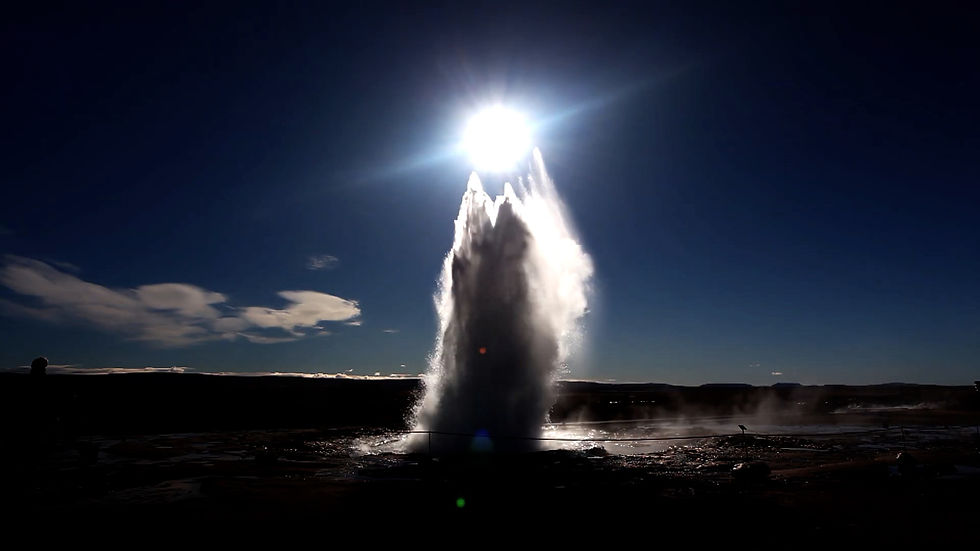
If approved, the new system will take effect on May 1, 2027. Adult visitors who are not tax-resident in Iceland will pay ISK 4,500 for an annual pass between June 1 and October 30. Outside the main season, from November through the end of May, the fee is expected to fall to ISK 3,000. Citizenship is not the deciding factor – what matters is whether a person is tax-resident in Iceland.
Iceland’s Ministry of Industry and Tourism presented the proposal on September 22. The government expects the fee to generate approximately ISK 6–7 billion a year. In 2027, when the system would operate for only part of the year, it expects revenue of around ISK 5 billion.
The money is meant to support nature and tourist infrastructure
The government says the proposal is a response to the growing pressure tourism is placing on Iceland’s landscape and infrastructure. Minister of Industry and Tourism Hanna Katrín Friðriksson said there has long been broad agreement on the need to fund the maintenance and development of areas affected by the rapid growth of tourism.
“There has long been agreement, both within the tourism industry and among the public, that there is a need to finance essential development and maintenance due to the pressure on infrastructure and nature caused by the rapid growth of tourism,” the minister said.
The new system would also change how some fees are collected at tourist sites. Under the proposal, state-owned land where the new nature and infrastructure fee is collected would no longer be allowed to charge regular parking fees. This would apply, for example, to parking areas in Þingvellir National Park.
There is, however, an important exception: the parking areas at Geysir and Gullfoss are located on private land. Their operators would therefore still be allowed to charge for parking. According to RÚV, parking currently costs around ISK 1,200 at Geysir, with the same fee now also being charged at Gullfoss.
How much does the Golden Circle cost today?
Location | Admission | Parking | Approx. in EUR |
Geysir | Free | ISK 1,200 | €8.5 |
Gullfoss | Free | ISK 1,200 | €8.5 |
Þingvellir | Free | ISK 1,000 | €7.1 |
All three sites | Free | ISK 3,400 | €24.1 |
According to current information from RÚV, parking at both Geysir and Gullfoss costs ISK 1,200. Gullfoss itself is publicly accessible free of charge.
At Þingvellir, the official price list sets the parking fee at ISK 1,000 per passenger car with up to five seats. The parking fee is valid for the same day at parking areas P1, P2 and P5.
WHAT WILL CHANGE FROM 2027?Today: free admission + ISK 3,400 (€24) in parking fees when visiting all three sites by car.Proposed change: ISK 4,500 (€32) annual pass during the main season, plus any parking fees that operators are still allowed to charge.ISK 4,500 ≈ €32.
How much will tourists actually pay?
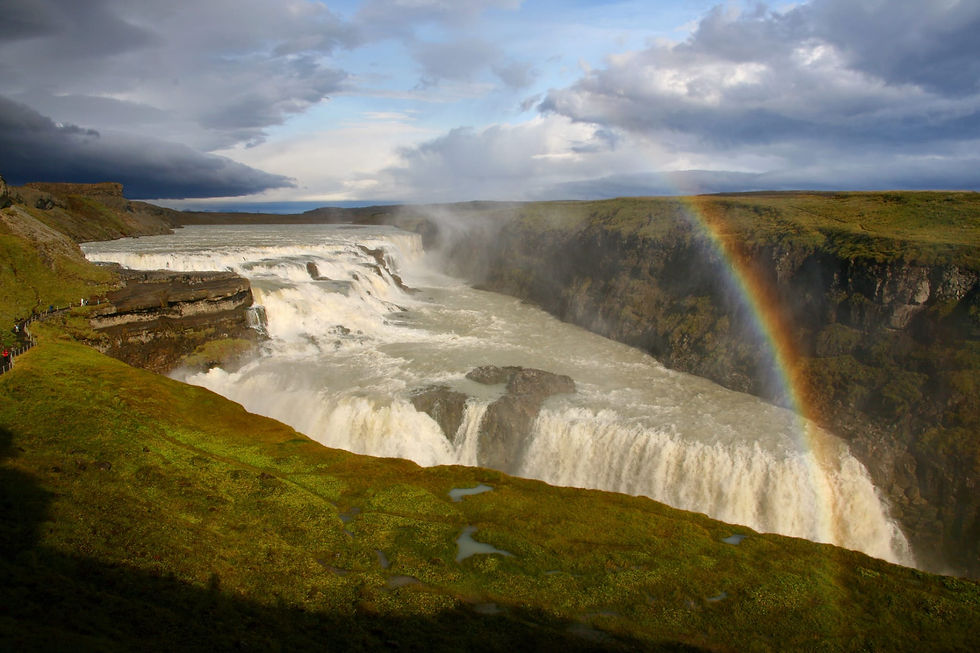
For visitors doing the classic Golden Circle in summer, the new fee may therefore mean more than just ISK 4,500. If they arrive by car, they could pay an additional ISK 2,400 for parking at Geysir and Gullfoss.
In this example, the total would be ISK 6,900 – ISK 4,500 for the annual pass plus ISK 2,400 for parking.
The pass is expected to be electronic, with visitors receiving a QR code when they obtain it. The requirement to obtain an access pass would apply to everyone over the age of 18, including people who are tax-resident in Iceland, although they would not have to pay the fee itself.
Municipalities and parts of the tourism industry have concerns
The proposal has already prompted criticism. Ásta Stefánsdóttir, mayor of Bláskógabyggð, which includes part of the Golden Circle area, warned according to Iceland’s public broadcaster RÚV that the new fee could affect tourism in the region.
“If we look at this from a broader perspective, it seems that the government is telling tourists who may have been considering visiting Iceland that they might just as well go to Norway or Finland,” she said, according to RÚV.

Þingvellir National Park manager Einar Á. E. Sæmundsen, meanwhile, stressed the importance of ensuring that part of the money actually reaches the national park. According to him, current parking revenues help pay for staff, maintenance of the area, snow clearing and cleaning of toilets.
The proposal is still pending legislation. According to Icelandic sources, the consultation process is scheduled to continue until October 7. If approved by the government and parliament, the new system is expected to take effect on May 1, 2027.
For tourists, the main change would be this: from 2027, visiting three of the Golden Circle’s iconic attractions will involve more than fuel, parking and time. Iceland plans to introduce a single fee for foreign visitors accessing these three of its most visited state-run tourist sites.

About the Author
Iceland has fascinated me for many years. Over the course of numerous journeys across the island, I have driven tens of thousands of kilometers, experienced storms that changed travel plans within minutes, and witnessed days when choosing the right route meant discovering places that most visitors never see. I documented many of these experiences in my documentary film Island in the North.
Through this website, I share practical travel advice, up-to-date information, and firsthand experiences from the field to help others explore Iceland more safely and gain a deeper understanding of its unique landscapes and ever-changing nature.


Komentáře