
ICELANDIC HORSES: A UNIQUE BREED FOUND NOWHERE ELSE IN THE WORLD

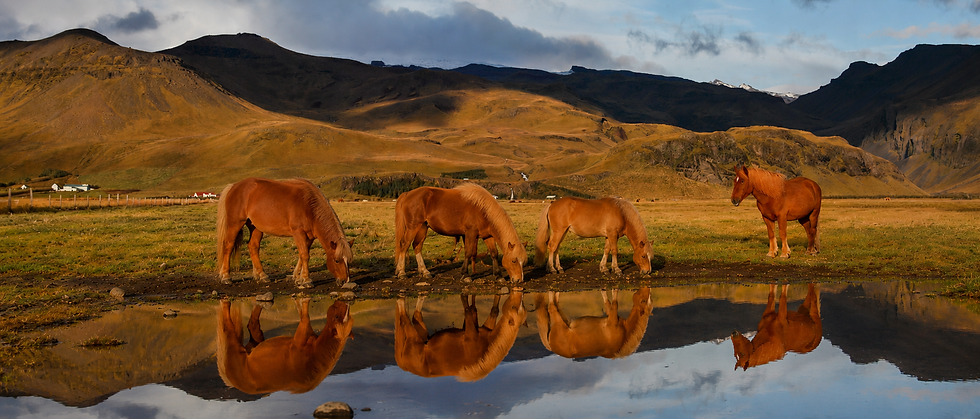
In the far north of Europe lies an island where nature still sets the rules and people simply adapt to them. Iceland. It is here that one of the purest and most remarkable horse breeds in the world has lived for more than a thousand years – the Icelandic horse. Small in stature, yet extraordinary in its resilience, history, and abilities that are virtually unmatched by any other horse breed.
The Origin of Icelandic Horses: A Viking Legacy
Icelandic horses arrived on the island with the first Norse settlers during the 9th and 10th centuries. They were brought by the Vikings, who needed strong, reliable animals capable of surviving the harsh northern environment, where the weather can change within minutes.
Since then, Iceland has enforced one of the strictest breeding regulations in the world: no horses may be imported to the island. Even more remarkably, any horse that leaves Iceland is never allowed to return. Thanks to this isolation, the breed has developed for over a thousand years without crossbreeding with other horses.
The result is an exceptionally stable and genetically pure breed that has preserved many characteristics of the original Viking horses.

How Icelandic Horses Survive Iceland's Weather
Iceland is known for its highly unpredictable and often extreme climate. Strong winds, heavy rain, snowstorms, and freezing temperatures can arrive suddenly and without warning. Icelandic horses are perfectly adapted to these conditions.
When the weather deteriorates, they often instinctively gather into a tight circle. Standing almost motionless with their heads facing inward and their hindquarters toward the wind, they protect one another from cold, rain, and powerful gusts. This "living shield" is not learned behavior but a natural survival instinct that helps the herd withstand even the harshest storms.
What Makes Icelandic Horses So Special?
At first glance, Icelandic horses may resemble ponies because of their smaller size. In reality, however, they are true horses, possessing the strength, endurance, and athletic ability of much larger breeds.
Their uniqueness lies in several remarkable characteristics:
Exceptional resistance to cold, wind, and wet weather
Long lifespan – typically 25 to 30 years, often even longer
Calm temperament and willingness to work with people
Unique movement abilities, including five natural gaits
It is these distinctive gaits that set Icelandic horses apart from virtually every other horse breed in the world.
Tölt and Flying Pace: Gaits Unlike Any Other

Besides the ordinary walk, trot, and canter, Icelandic horses naturally perform two additional gaits that developed through centuries of genetic isolation.
Tölt – The Smoothest Ride
The tölt is a four-beat gait in which at least one hoof always remains in contact with the ground. It provides an exceptionally smooth ride, allowing riders to remain comfortable even over long distances without the bouncing motion associated with the trot.
Many riders describe the experience as "gliding across the landscape." In Iceland, the tölt is not only practical for long journeys across rough terrain but is also a celebrated competitive discipline and an important part of the country's equestrian culture.
Flying Pace (Skeið) – Speed at Its Limits
The second unique gait is the flying pace, a rapid two-beat gait used primarily over short distances. During this gait, the horse reaches impressive speeds while providing a far more dynamic riding experience.
In competitions, Icelandic horses can achieve remarkable speeds in the flying pace, demonstrating that they are not only reliable riding horses but also highly capable athletes.

The Role of Icelandic Horses Today
Icelandic horses remain an integral part of Icelandic life. They are far more than a tourist attraction—they continue to play an important role in the country's rural traditions and everyday activities.
Today they are used primarily for:
Horseback tourism, one of the pillars of Iceland's tourism industry
Equestrian competitions, especially tölt and endurance events
Farm work, including gathering sheep in the highlands
Traditionally, as a source of meat that has been part of Icelandic cuisine for centuries
This combination of practical use and cultural significance makes the Icelandic horse much more than a national symbol—it remains a living part of Icelandic society.
Life of Icelandic Horses Today
During the summer months, Icelandic horses often live in semi-wild conditions. They roam freely across vast grasslands, mountain valleys, and lava fields, grazing without daily human supervision.
In autumn, one of Iceland's oldest traditions takes place: the annual horse round-up. Farmers work together to gather the horses from the mountains and return them to their farms for the winter. The event is not only practical but also an important social and cultural tradition.

Interesting Facts About Icelandic Horses
Once an Icelandic horse leaves Iceland, it can never return.
They are among the genetically purest horse breeds in the world.
They are well known for their curiosity and friendly nature.
Their five natural gaits make them unique among horse breeds worldwide.
Conclusion
Icelandic horses are living proof of how isolation and environment can shape an entire breed. Small but remarkably resilient, intelligent, and adaptable, they embody the very spirit of Iceland itself—rugged, beautiful, and uncompromising.

About the Author
Iceland has fascinated me for many years. Over the course of numerous journeys across the island, I have driven tens of thousands of kilometers, experienced storms that changed travel plans within minutes, and witnessed days when choosing the right route meant discovering places that most visitors never see. I documented many of these experiences in my documentary film Island in the North.
Through this website, I share practical travel advice, up-to-date information, and firsthand experiences from the field to help others explore Iceland more safely and gain a deeper understanding of its unique landscapes and ever-changing nature.


Komentáře