
ICELAND 2026: THE TOTAL SOLAR ECLIPSE IS TRIGGERING A TOURISM FRENZY

Aktualizováno: 15. 6.
Accommodation is disappearing, prices are rising, and rental cars are becoming harder to find. What can travelers really expect?

On August 12, 2026, Iceland will witness one of the most significant astronomical events of the decade: a total solar eclipse. The island will lie directly within the path of totality, making it one of the world's best locations to experience this rare phenomenon.
But alongside the excitement comes a less glamorous reality: mounting pressure on accommodation, transportation, and local infrastructure, which is already reshaping travel plans for the summer of 2026.
🌑 Why Iceland Is Such a Special Eclipse Destination

Iceland is one of the few easily accessible land locations where observers can experience the Moon completely covering the Sun.
Some of the most promising viewing areas include:
The Westfjords
The Snæfellsnes Peninsula
Parts of the Reykjavík region
For a few unforgettable minutes, daylight will fade, temperatures may drop, and the sky will resemble twilight in the middle of the day.
For eclipse chasers, it's the trip of a lifetime.
🏨 Accommodation: Selling Out Fast and Getting More Expensive during the Total Solar Eclipse

One of the biggest challenges facing visitors is accommodation.
Hotels, guesthouses, cottages, and apartments in key eclipse-viewing regions have been filling up well in advance, and prices have already started climbing.
📈 What's happening?
Hotels in western Iceland are booking out quickly.
Many properties have raised rates for August 2026.
Accommodation near the path of totality is becoming increasingly difficult to find.
According to Icelandic media reports, the eclipse is expected to create extraordinary demand across the tourism sector, driving prices significantly higher than in a typical summer season.
💬 What travelers are saying online
"Everything in the Westfjords is booking out extremely early for the eclipse period."
"Prices for August 2026 are already insane compared to normal summer rates."
Travelers browsing booking sites have reported seeing nightly rates several times higher than usual, particularly in the most desirable viewing locations.
💸 What can visitors expect to pay?
While prices vary significantly, travelers should expect:
Higher-than-normal hotel rates in Reykjavík
Premium prices in eclipse hotspots
Limited availability for budget accommodation
Those who wait too long may have to stay far from their preferred viewing locations.
🚗 Rental Cars: A Growing Concern
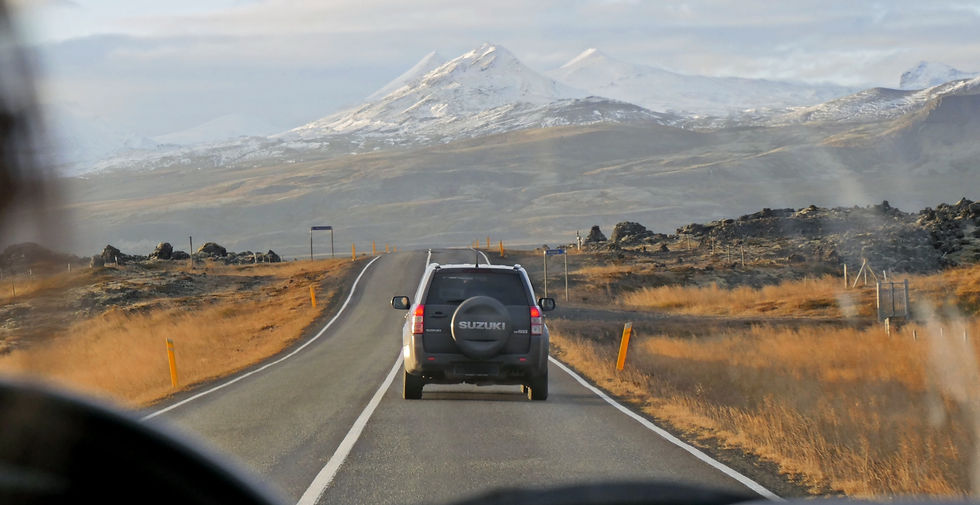
For many visitors, renting a car is essential.
Iceland's most spectacular eclipse viewing areas are spread across the country, and public transportation options remain limited outside major towns.
📊 Current situation
Demand for rental vehicles is rising sharply.
SUVs and 4x4 vehicles are the first categories to sell out.
Campervans are also in high demand.
This is particularly important for travelers planning to explore western Iceland, where weather and road conditions can be unpredictable.
⚠️ Why booking early matters
A rental car offers flexibility—something that may become crucial on eclipse day.
If cloud cover develops in one area, travelers with vehicles may be able to relocate to clearer skies.
Those without transportation could be stuck watching clouds instead of the eclipse.
💬 Community warning
"Traffic on eclipse day will be completely gridlocked in West Iceland."
Many experienced visitors expect severe congestion on roads leading to the most popular viewing sites.
🌥️ Weather: The Biggest Wild Card

Even the best travel plans can be ruined by one factor: weather.
Iceland is famous for rapidly changing conditions, and August is no exception.
Visitors may encounter:
Low clouds
Fog
Rain showers
Strong winds
Sudden weather changes
For eclipse observers, cloud cover is the ultimate concern.
A perfectly planned trip can be rendered useless if thick clouds move in at the wrong moment.
🌦️ Can weather forecasts help?
To some extent, yes.
However, experienced Iceland travelers often note that weather conditions can change dramatically within a matter of hours—or even minutes.
Having mobility and a backup plan could make all the difference.
🚦 What Could Ruin the Experience of a Lifetime?

Several factors could prevent visitors from enjoying the eclipse as planned.
1. Traffic congestion
Large crowds are expected in western Iceland, potentially leading to long delays and crowded viewing areas.
2. Lack of accommodation
Many of the best-located hotels and guesthouses may already be booked well before the event.
3. Limited vehicle availability
Travelers who delay booking a rental car may face higher prices or limited choices.
4. Cloud cover
Weather remains the single greatest threat to eclipse viewing success.
📊 The Situation at a Glance
Category | Outlook |
Accommodation | Limited availability, rising prices |
Rental Cars | Strong demand, especially SUVs |
Traffic | Potential congestion near viewing areas |
Weather | Unpredictable and potentially decisive |
🧠 Final Thoughts

The total solar eclipse of August 12, 2026, promises to be one of the most remarkable astronomical events visible from Europe in decades.
For many travelers, Iceland offers the perfect combination of accessibility, dramatic landscapes, and a front-row seat to totality.
But the eclipse is no longer just an astronomical event.
It has become a major tourism phenomenon, creating unprecedented demand for accommodation, transportation, and travel services across the island.
Those who plan early, stay flexible, and prepare for Iceland's famously unpredictable weather will have the best chance of witnessing one of nature's most extraordinary spectacles.

About the Author
Iceland has fascinated me for many years. Over the course of numerous journeys across the island, I have driven tens of thousands of kilometers, experienced storms that changed travel plans within minutes, and witnessed days when choosing the right route meant discovering places that most visitors never see. I documented many of these experiences in my documentary film Island in the North.
Through this website, I share practical travel advice, up-to-date information, and firsthand experiences from the field to help others explore Iceland more safely and gain a deeper understanding of its unique landscapes and ever-changing nature.


Komentáře