
WHAT IS WINTER LIKE IN ICELAND? DARKNESS, GALE-FORCE WINDS, ICY ROADS, AND THE NORTHERN LIGHTS

Most people picture Iceland under the summer sun. They imagine green plains, waterfalls surrounded by moss, endless days beneath the midnight sun, and the Ring Road winding through mountains, lava fields, and dramatic coastlines.
But Iceland in winter is an entirely different world.
It is a season when the island disappears into long hours of darkness, when the weather can turn a peaceful drive into a real challenge within minutes, and when nature reveals its rawest and most unforgiving side.
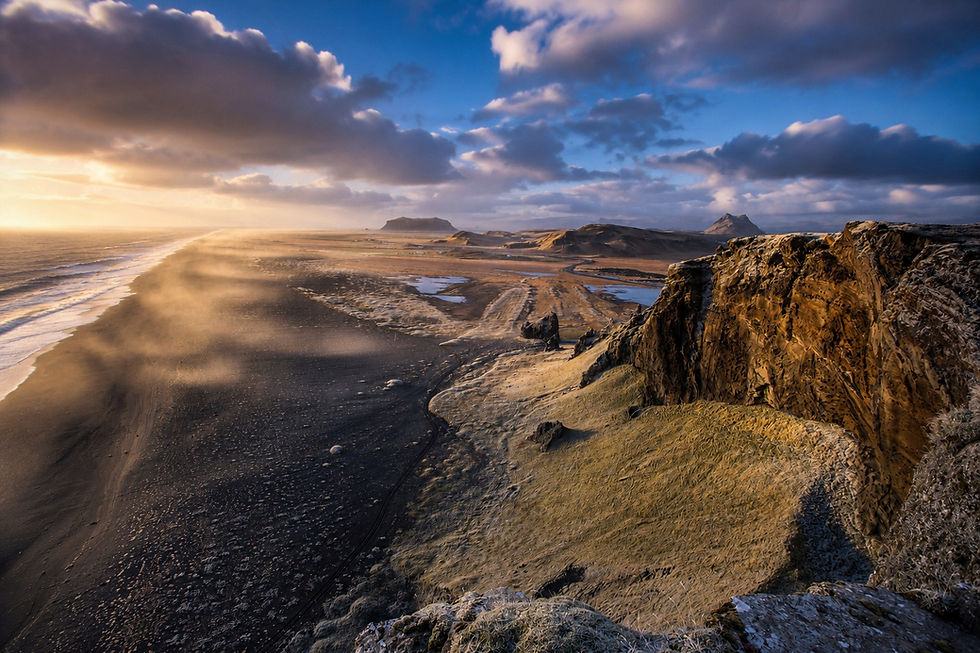
At the same time, winter offers something that summer almost never can: endlessly long golden light, quieter landscapes, and nights illuminated by the Northern Lights.
I arrived in Iceland in the middle of November. It was then that I realized winter in Iceland simply cannot be compared to its summer counterpart.
When Morning Doesn't Arrive Until After 10 a.m.
The first thing that surprises you during an Icelandic winter isn't the cold.
It's the light.
By mid-November, the day begins very slowly. Morning doesn't really feel like morning. Around ten o'clock, the sky gradually changes from black to gray as the first faint glow of dawn appears.
At first, it feels as though the sun has no intention of rising at all.
True daylight doesn't arrive until much later. The sun finally climbs above the horizon at around one o'clock in the afternoon. But Iceland's winter day is incredibly short. Before you have time to adjust to the daylight, the sun is already sinking back toward the horizon.
Then comes a long twilight.
For the rest of the day, it is essentially night.
The Biggest Difference Isn't the Cold—It's the Darkness
For travelers from continental Europe, the greatest surprise is the amount of daylight.
In summer, you wonder how to fall asleep during Iceland's endless days. In winter, you find yourself learning how to navigate a landscape that spends most of its time in darkness.
Driving becomes a completely different experience.
For much of the day, you're behind the wheel at night. Your headlights become your only connection with the surrounding landscape. Mountains, lava fields, and coastlines disappear into the darkness, making you realize just how isolated Iceland truly is.

Even Reykjavík is no exception.
In some places, the roads were covered by a continuous layer of ice. Winter tires in Iceland are not just a recommendation—they are essential. Many vehicles are equipped with studded tires, which provide much better grip on icy roads.
Without them, some sections would be considerably more dangerous.
Icelandic Winter Isn't About the Temperature. It's About the Wind
Anyone visiting Iceland in winter quickly discovers that the biggest challenge isn't the cold itself.
It's the wind.
The weather changes rapidly, and the line between an ordinary winter day and truly extreme conditions can be surprisingly thin.
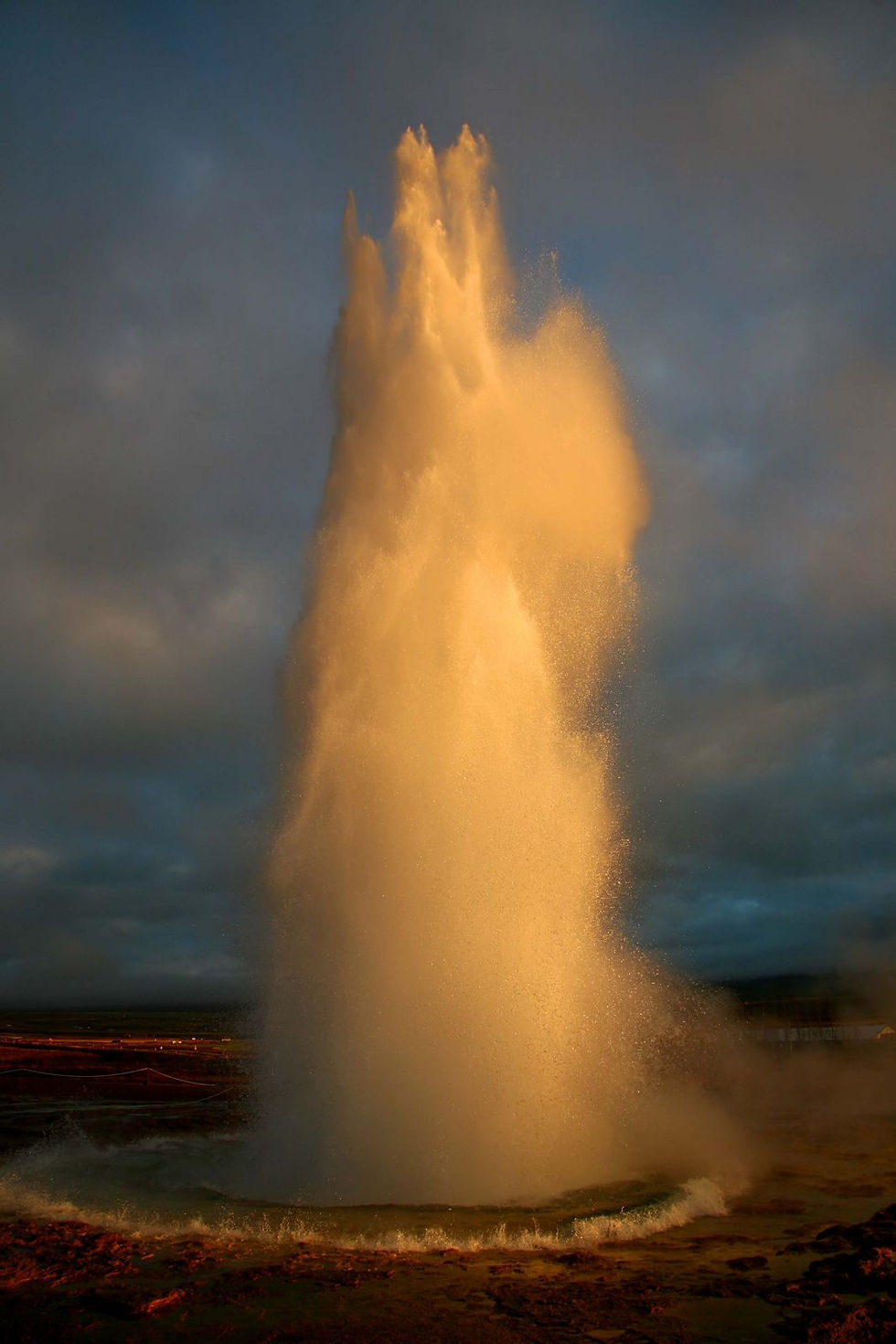
During my trip, I was caught in a powerful windstorm carrying sand. In Iceland, it's not unusual for strong winds to lift fine volcanic sand from vast black deserts and lava fields, creating what feels like a natural sandstorm.
Then came the Eastfjords.
There, winter revealed its true face.

Temperatures hovered around -15°C (5°F), with deep snowdrifts and fierce winds pushing the wind chill well below -20°C (-4°F), at times approaching -30°C (-22°F).
In moments like these, you realize Icelandic winter is not simply cold weather.
It is nature at full strength.
When Your Camera Starts Losing the Battle Against the Cold

Winter in Iceland is challenging not only for people but also for photography equipment.
Cameras, batteries, and other electronics quickly begin to struggle in freezing temperatures. Batteries drain much faster, while metal parts become painfully cold almost instantly.
Within minutes, your equipment can become covered in frost.
Photographing in these conditions requires not only the right gear but also patience. Every photograph comes at a price—sometimes frozen fingers, sometimes a constant battle with the wind that won't let you keep your camera steady for more than a few seconds.

The Reward: The Most Beautiful Light of the Year
Winter also gives Iceland something extraordinary.
Short days create exceptional light.
The golden hour at sunrise and sunset doesn't last for just a few minutes. In winter, the landscape can remain bathed in soft golden, orange, and pink tones for hours.
Because sunrise and sunset follow each other so closely, it feels as if the entire day is one continuous golden hour.
For photographers, it's one of the most magical times of the year.
Then Come the Northern Lights

When the skies finally clear after sunset, another reward awaits.
During our stay, they appeared almost every night whenever the clouds parted. All you have to do is leave the city lights behind, look up, and wait.
Suddenly, green ribbons of light begin dancing across the black Icelandic sky.
In that moment, you forget about the darkness, the freezing temperatures, and every challenge the journey has brought.

Is Iceland Worth Visiting in Winter?
Winter in Iceland isn't simply a colder version of summer.
It's a completely different world.
It's harsher, slower, and far less predictable. The weather can change your plans in an instant, some roads become difficult to travel, and the limited daylight requires a completely different approach to planning your days.
But this is also when Iceland reveals its wildest character.
In winter, you won't find endless daylight.
Instead, you'll discover landscapes wrapped in silence, light unlike anywhere else on Earth, and nights when the Northern Lights dance above volcanoes, glaciers, and deep fjords.

O autorovi
Island mě fascinuje už řadu let. Během mnoha cest jsem na ostrově najel desítky tisíc kilometrů, zažil bouře, které změnily plány během několika minut, i dny, kdy správné rozhodnutí o trase znamenalo vidět místa, která většina návštěvníků mine. Zkušenosti z těchto cest jsem zachytil také v dokumentárním filmu Ostrov na severu.
Na tomto webu sdílím praktické rady, aktuální informace a zkušenosti z terénu, které pomáhají ostatním cestovat po Islandu bezpečněji a s větším porozuměním místní krajině.


Komentáře